
Home / Obesity & Overweight / Obesity & Heart Disease
Weight & your health
Obesity, High Blood Pressure, and Heart Disease
Excess body weight is strongly linked to high blood pressure, coronary artery disease, stroke, heart failure, and atrial fibrillation. For many patients, obesity is not simply a weight issue — it is a major driver of cardiovascular risk. Understanding the connection between Obesity and High Blood Pressure is the first step toward protecting your heart.
Treating obesity can improve more than body weight. It may also lower blood pressure, reduce strain on the heart, and improve long-term cardiovascular health.
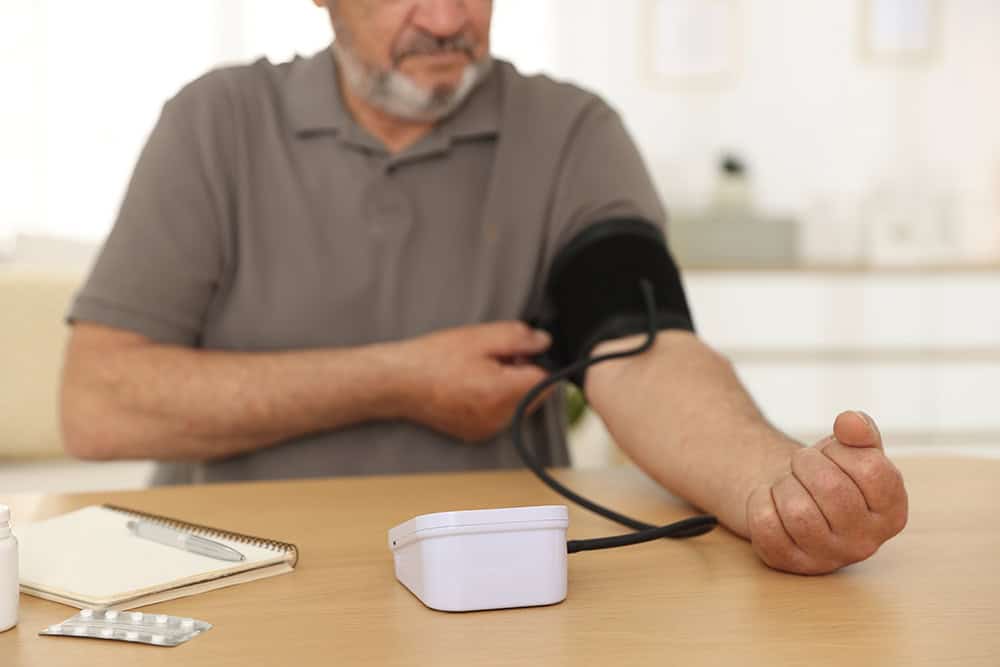
How obesity affects the heart and blood vessels
Obesity contributes to inflammation and fat-cell dysfunction, especially when excess fat is concentrated around the abdomen. These changes can increase strain on the cardiovascular system and raise the risk of:
- High blood pressure
- Coronary artery disease
- Stroke
- Heart failure
- Atrial fibrillation
Research shows that the risk of developing hypertension increases by about 70% in patients with obesity [1].
Obesity and high blood pressure
High blood pressure is one of the most common complications of obesity. It often develops gradually and may worsen over time if excess weight is not addressed.
Can weight loss improve blood pressure?
Yes. Research suggests that:
5% body weight loss may help improve hypertension.
More than 10% body weight loss may lead to greater improvement, and in some patients, hypertension may resolve.
Weight loss is one of the most effective noninvasive ways to improve obesity-related blood pressure problems [2].
Obesity and coronary artery disease and stroke
Excess body weight is associated with a higher risk of atherosclerotic cardiovascular disease, including coronary artery disease and cerebrovascular disease. This risk is elevated even in some individuals who are otherwise metabolically healthy.
As metabolic abnormalities accumulate — such as diabetes, hypertension, and dyslipidemia — cardiovascular risk rises further [3].
Obesity and heart failure
Obesity is also associated with a higher risk of heart failure. In people with BMI greater than 35, the risk of heart failure has been shown to be more than three times higher even after adjusting for blood pressure, diabetes, and lipid levels [4].
Can weight loss help heart failure symptoms?
Yes. Research suggests that 10% to 25% or more body weight loss may improve heart failure-related symptoms and help prevent worsening in some patients [5].
Obesity and atrial fibrillation
Obesity is also associated with atrial fibrillation, a common heart rhythm disorder that can increase the risk of stroke and other complications.
Weight loss may reduce the burden of atrial fibrillation, and in some patients, it may help reverse it. Bariatric surgery has also been associated with improved atrial fibrillation outcomes in selected patients [1,6].
How much weight loss helps?
Research suggests that:
5% body weight loss may help improve blood pressure.
More than 10% body weight loss may significantly improve hypertension.
10% to 25% or more body weight loss may improve or reverse broader cardiovascular complications, including heart failure and atrial fibrillation in selected patients.
For many patients, meaningful cardiovascular improvement begins well before reaching an ideal body weight.
Why earlier treatment matters
Obesity-related cardiovascular disease often develops gradually. The earlier treatment begins, the greater the chance of improving blood pressure and lowering long-term heart risk before complications become more advanced.
A structured medical approach can help patients set realistic goals and make steady progress over time.
How our practice can help
Our self-pay telemedicine practice offers personalized obesity medicine care for patients who want a medically guided approach to weight loss and cardiovascular risk reduction.
We can help with:
- Medical weight management
- Blood pressure risk reduction
- Heart disease risk reduction
- Heart failure risk support
- Atrial fibrillation risk reduction
- Nutrition and behavior support
- Anti-obesity medication management, when appropriate
Take the next step!
If you are concerned about obesity, high blood pressure, heart disease, heart failure, or atrial fibrillation, a telemedicine visit can be a practical first step. A personalized treatment plan may help improve both weight and cardiovascular health.
Schedule a telemedicine visit today to discuss your goals and treatment options.
Frequently asked questions
Obesity is a major risk factor for hypertension and can directly contribute to higher blood pressure.
Yes. Even 5% body weight loss may help improve blood pressure, and greater weight loss may lead to further improvement.
Yes. Studies show that obesity is associated with higher cardiovascular risk even in people who are otherwise metabolically healthy.
Yes. Obesity is associated with a higher risk of heart failure, especially at higher BMI levels.
Weight loss may reduce atrial fibrillation burden and may help improve or reverse it in some patients.
References
- Sarma S, Sockalingam S, Dash S. Obesity as a multisystem disease: trends in obesity rates and obesity-related complications. Diabetes Obes Metab. 2021;23(Suppl. 1):3-16. https://pubmed.ncbi.nlm.nih.gov/33621415/ PubMed
- Jastreboff AM, Aronne LJ, Ahmad NN, et al. Tirzepatide once weekly for the treatment of obesity. N Engl J Med. 2022;387(3):205-216. https://pubmed.ncbi.nlm.nih.gov/35658024/ PubMed
- Caleyachetty R, Thomas GN, Toulis KA, et al. Metabolically healthy obese and incident cardiovascular disease events among 3.5 million men and women. J Am Coll Cardiol. 2017;70(12):1429-1437. https://pubmed.ncbi.nlm.nih.gov/28911506/ PubMed
- Ndumele CE, Matsushita K, Lazo M, et al. Obesity and subtypes of incident cardiovascular disease. J Am Heart Assoc. 2016;5(8): e003921. https://pubmed.ncbi.nlm.nih.gov/27468925/ PubMed
- Packer M, Zile MR, Kramer CM, et al. Tirzepatide for heart failure with preserved ejection fraction and obesity. N Engl J Med. 2024; 392(5):427-437. https://pubmed.ncbi.nlm.nih.gov/39555826/ PubMed
- Donnellan E, Wazni OM, Elshazly M, et al. Impact of bariatric surgery on atrial fibrillation type. Circ Arrhythm Electrophysiol. 2020; 13(2):e007626. https://pubmed.ncbi.nlm.nih.gov/31940441/ PubMed
Take the next step
A telemedicine visit with Dr. Sangal can be a practical first step toward answers and a plan.
Self-pay · Telemedicine for residents of California, Massachusetts & Michigan